
Zhangjiajie National Forest Park: Opening Hours, Tickets and Gates
Updated 2026-10-30
Opening Hours
| Season / date range | Opens | Last entry | Closes | Closed days |
|---|---|---|---|---|
| Confirm on the official site before you go | Confirm on the official site before you go | Confirm on the official site before you go | Confirm on the official site before you go | Confirm on the official site before you go |
Confirm on the official site before you go. Official source
Tickets
| Ticket type | Price | Where to buy | ID needed |
|---|---|---|---|
| Confirm on the official site before you go | Confirm on the official site before you go | Official source | Confirm on the official site before you go |
How to Get There
Confirm on the official site before you go
Best Time to Visit
Confirm on the official site before you go
Highlights
- Zhangjiajie National Forest Park is renowned for its towering sandstone pillars and has inspired the floating mountains in the film 'Avatar'. It offers stunning landscapes and rich biodiversity.
Planning Your Gates and Walking Route
Treat Zhangjiajie National Forest Park as a network of entrances, valley paths and mountain areas rather than one attraction with a single front door. Your accommodation, arrival transport and preferred walks should determine the entrance you choose. A map pin at the geographical centre of the scenic area is not necessarily an entrance, a ticket office or a convenient place to ask a driver to stop. Before leaving your hotel, save the exact gate name in Chinese and confirm your route with the current scenic-area map. Ask where your return journey begins as well as where your morning journey ends.
Wulingyuan and the forest-park entrance are different starting points. A route that makes sense from one can involve extra transfers from the other. Compare the first place you want to see with the gate you can reach comfortably. If your priority is a stream walk, start by checking access to that valley. If you want the elevated viewpoints, establish how you will reach the upper area and return before choosing additional sights. Do not buy a transport product solely because its translated name resembles another product on a booking platform.
Opening Hours by Season
Current seasonal gate hours, last entry and closing time still require confirmation from the official scenic-area notice. The table above deliberately avoids repeating the old unsourced opening range. Read a notice for the actual date of your visit; an archived photograph of a sign is useful background but does not establish today's operating arrangements. Last entry is a deadline for admission, not an estimate of how much sightseeing you can complete afterwards. Leave room for ticket checks, queues, walking between platforms and your journey back to the gate.
Ask separately about the valley you intend to walk, the shuttle connection you need and any lift or cable car on your route. The closing time of the park should never be treated as a promise that every connection operates until then. If a return service is suspended, a route that looked short on a diagram can become impractical. Confirm the final connection before spending longer at a viewpoint. If the weather changes, simplify the afternoon rather than trying to complete a list at any cost.
Ticket Validity and Separate Transport
The current admission validity period and rules for repeat entry have not been verified for this refresh. Check the official product description for the date you will first enter, how consecutive days are counted, whether identity checks are repeated, and whether leaving through another gate affects re-entry. Keep the booking confirmation available independently of your mobile connection. If several people travel together, check that each person's ticket matches their own identity document instead of assuming one booking code covers every admission check.
Admission, internal transport and special transport can be different products. Before paying, make a short list of what your planned route actually uses. Then compare that list with the inclusions displayed by the official seller. Bailong Elevator and Tianzi Mountain cable-car prices, operating hours and any reservation conditions remain unverified here. Confirm them directly before building a timed plan around either. If a bundled product includes something you do not want, compare it with the other official options rather than assuming the bundle is automatically the easiest choice.
A One-Day Route You Can Adapt
For a single day, choose either a valley-focused walk or a limited combination of an elevated area and a valley segment. Begin with the part that matters most to you, leaving optional viewpoints for later. At each major junction, check both the onward direction and the route back. A dramatic viewpoint is more enjoyable when you do not have to calculate an uncertain last transfer while standing there. Carry the gate name, the transport names and your hotel's address in an accessible note so you can ask a clear question if signs are confusing.
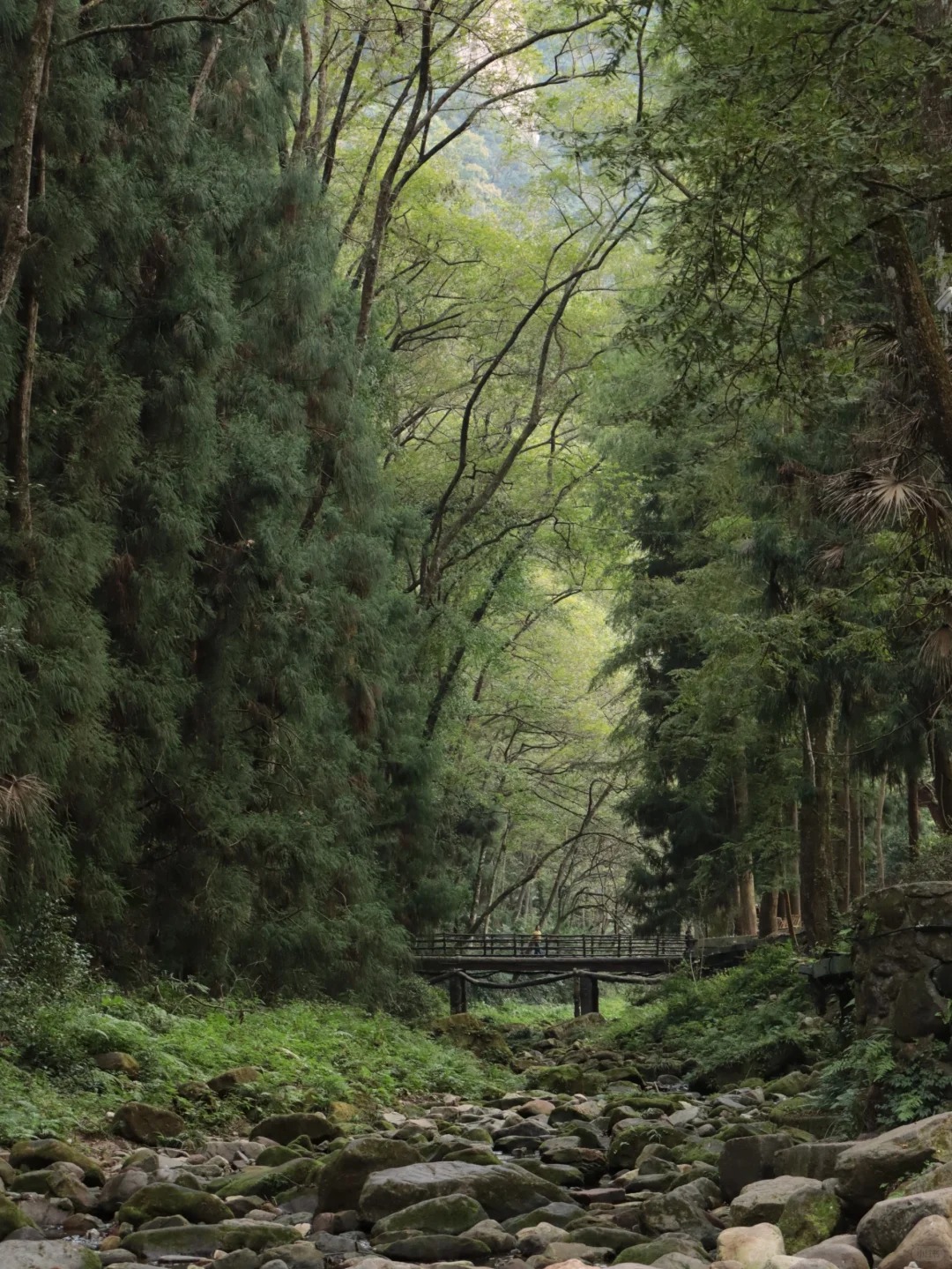
A valley-focused day can make Golden Whip Stream the main walk, provided the official access notice and conditions support it. Turn back at a point that leaves a comfortable return margin; there is no need to reach every named stop. A viewpoint-focused day should give extra attention to transfer queues and changing visibility. If clouds obscure the view, consider whether waiting improves your chances or simply uses the return margin. Keep an easier alternative in mind and avoid repeatedly crossing between distant areas to chase a photograph.
A Two-Day Route Without Repeating Transfers
With two days, separate your priorities geographically. Use one day for the upper viewpoints and another for the valley walk or a different area that fits your entrance and accommodation. Confirm ticket validity before assuming the same admission covers both days. Record what you have already used from any transport package so you do not discover a restriction at the next queue. A slower second day can also help if the first day involved more stairs or standing than expected.
After the first day, revise the second day's plan using actual conditions rather than keeping the original schedule unchanged. Note which transfer was slow, which walking section felt demanding and where you would prefer more time. Keep one principal objective for the second morning, then add a nearby option if conditions allow. This approach makes space for weather, rest and photography without requiring a rushed circuit of every area. It also makes it easier to agree on a route when companions have different walking speeds or interests.
Weather, Bags and the End of the Day
Choose footwear for uneven or wet paths, protect the phone that holds your bookings, and carry only the luggage you can manage comfortably. Decide where large bags will stay before reaching an entrance. Check conditions with the scenic area instead of inferring mountain visibility from the weather in town. If you need assistance or an easier route, ask about the exact section you plan to use; a general description of the park cannot establish accessibility at every staircase, platform and transfer point.
Finish by confirming the exit gate and onward transport while you still have a comfortable margin. Save a backup meeting point in case your group separates, and keep enough phone battery for the return journey. For a meal afterwards, use the local food guide to choose a practical stop near your accommodation instead of adding another distant attraction. The aim is a route you can enjoy and complete comfortably, with official operating information checked for the day you actually travel.
Nearby / Combine With
FAQ
What are Zhangjiajie National Forest Park opening hours?
Current seasonal hours and last entry require confirmation from official scenic-area notices.
What time does it close?
Confirm the gate closing time and the final shuttle, lift or cable-car connection separately.
How many days is the ticket valid?
Current ticket validity and re-entry rules have not been verified; read the official product terms before buying.
Which entrance should I use?
Choose the entrance that fits your accommodation and first planned area; save its exact Chinese gate name.
How many days do I need?
The route guidance offers one-day and two-day options. Choose a limited route for one day, or separate upper viewpoints and valley walks over two days.